The Psychology of Disciplined Trading: Key Insights from the ASMA Market Podcast Session
Ask any seasoned trader what separates consistent market winners from those who blow up their trading capital within months, and you will hear the exact same answer: Trading is 20% strategy and 80% psychology.
You can memorize every candlestick formation, master Fibonacci retracements, and understand complex options Greeks, but if you cannot control fear, greed, and impatience when real money is on the line, the market will exploit your weaknesses mercilessly.
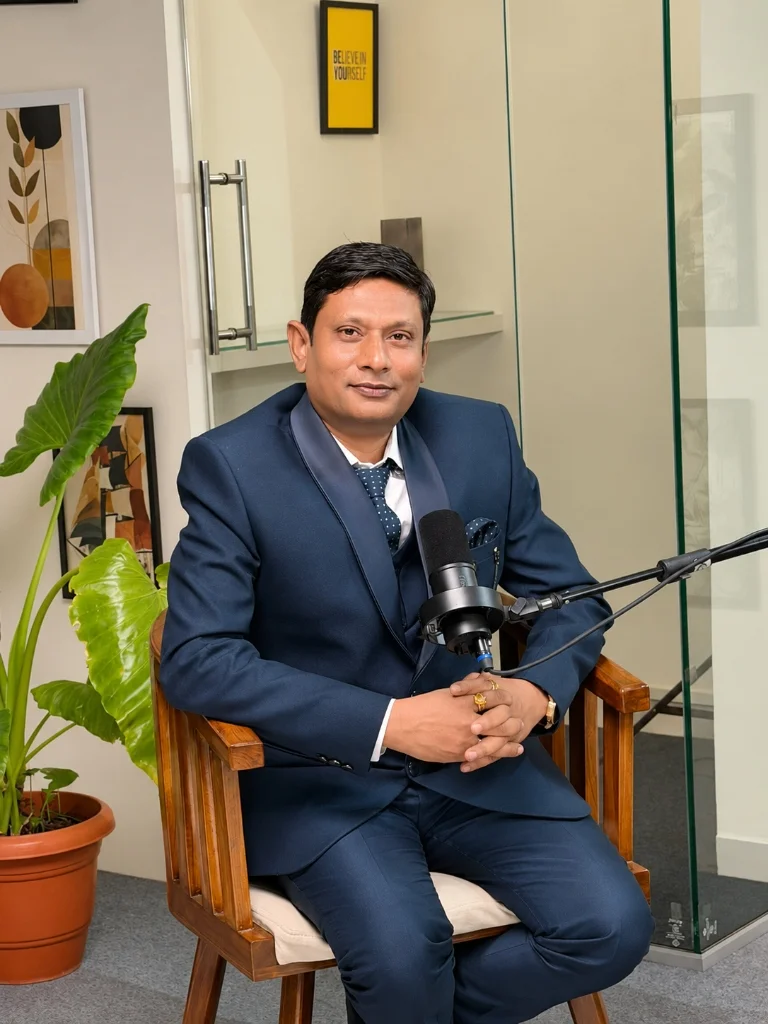
In our latest ASMA Market Insights Podcast session recorded in our Nagpur media studio, ASMA founder Prof. Satish A. Bobade sat down for an in-depth conversation exploring the mental frameworks necessary to survive and thrive in volatile financial markets.
The Three Deadly Psychological Traps Retail Traders Face
During the podcast, Prof. Bobade dissected the primary behavioral patterns that lead to severe trading drawdowns:
- FOMO (Fear of Missing Out): Jumping into a stock or option after a massive green candle has already extended, turning you into exit liquidity for institutional smart money.
- Revenge Trading: Refusing to accept a loss and immediately doubling down on the next trade to "get even" with the market, resulting in emotional escalation.
- Moving or Ignoring Stop Losses: The psychological inability to admit being wrong, allowing a small calculated 1% loss to snowball into a catastrophic account wipeout.
“A good trade is not defined by whether it resulted in a profit. A good trade is defined by whether you followed your predefined rules without hesitation.”
Developing a Professional Trader's Mindset
To transition from impulsive retail speculation to disciplined execution, the podcast outlines three foundational mindset shifts:
- 1. Thinking in Probabilities: Understand that no individual trade is guaranteed. Your edge plays out over a large sample size of 50 to 100 disciplined trades.
- 2. Treating Losses as Business Expenses: Just as a physical store pays rent and electricity bills to operate, a trader pays small stop losses to stay in the market game.
- 3. Detachment from Monetary Outcomes: Focus strictly on the execution of the process rather than watching the profit-and-loss (P&L) ticker fluctuate every second.
Experience the Full Podcast in Our Media Gallery
Behind-the-scenes photographs and video excerpts from this exclusive studio recording are now available on our website's Gallery and Social Learning Hub. We encourage every student and active trader to watch the session and incorporate these psychological principles into their daily trading routine.
Related Articles

The Psychology of Successful Trading
Master your emotions to master the market. Learn the mindset secrets of top traders.

New Stock Market Batch Starting After Diwali: Fast-Track Your Trading Journey with ASMA Nagpur
Diwali marks the beginning of the traditional financial new year. Discover what makes ASMA's upcoming offline and online batch after Diwali the ideal roadmap for aspiring stock traders in Nagpur.

Why Attending a Free Demo Class is Essential Before Choosing a Stock Market Institute in Nagpur
Don't commit to a trading course blindly. Learn how ASMA's daily free demo sessions in Nagpur allow beginners to evaluate mentors, observe live price action, and understand risk discipline firsthand.
Continue Learning with ASMA.
Explore practical stock market training programs designed to build market understanding.